


Foods to gain muscle mass are those that provide high quality protein such as meat, eggs and some legumes such as beans.
However, proteins are not the only nutrient that the body needs to promote muscle growth, the intake of carbohydrates such as pasta, rice, cereals and bread (preferably whole grains) are also necessary to produce energy during physical activity; as well as other micronutrients such as vitamin E, omega 3, potassium and magnesium, which help prevent fatigue, improve endurance and muscle strength.
Likewise, in some cases the use of protein supplements may also be indicated, mainly when the daily amount of protein cannot be achieved through food, and should be recommended by a nutritionist.
See what to eat before and after training.
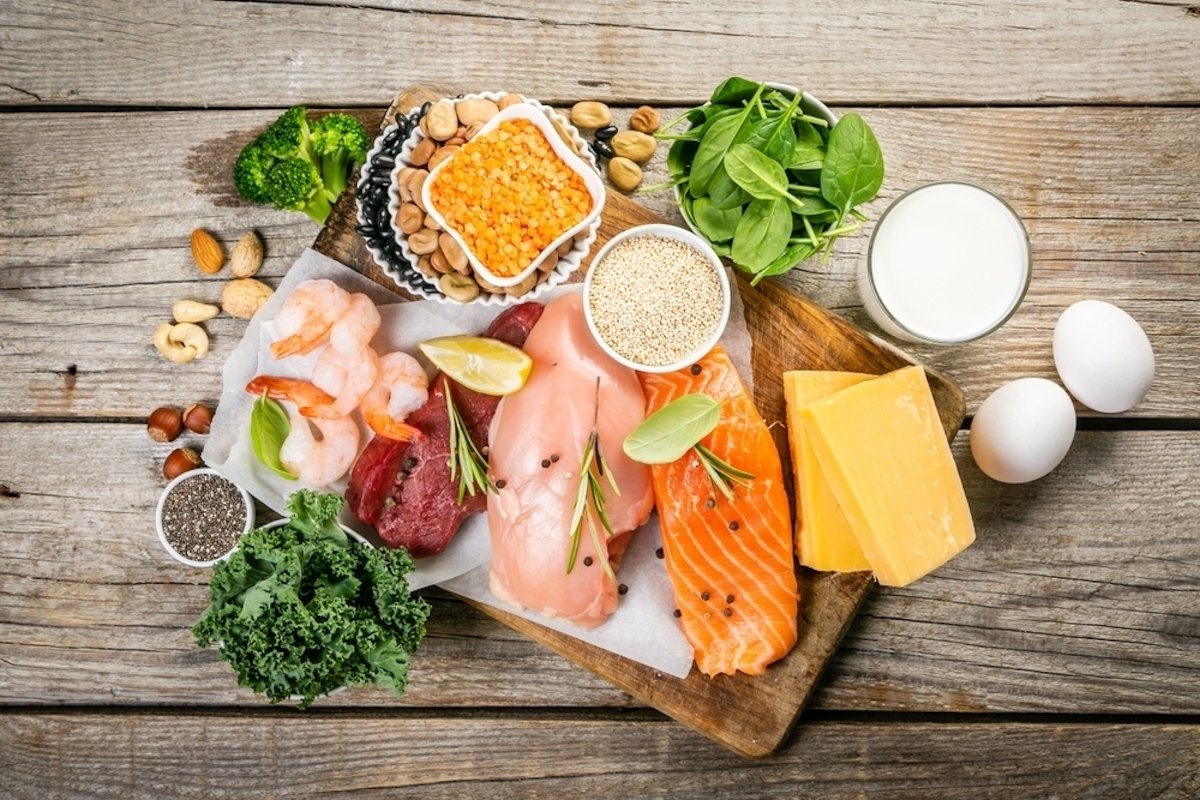
Foods to gain muscle mass mainly include foods rich in protein such as:
1. Pollo
Chicken is a type of white meat that is rich in protein and provides little fat, so including it at lunch or dinner, combined with adequate exercise, could promote muscle hypertrophy.
2. Red meat
Red meat, in addition to being rich in protein, also contains iron, an essential mineral that is part of red blood cells, which are the cells that are responsible for transporting the necessary amount of oxygen to the muscles during physical activity. Iron deficiency can cause weakness and fatigue.
3. Salmon
In addition to being rich in protein, salmon is rich in omega 3, a healthy fat that exerts an anti-inflammatory effect on the body, improves blood circulation and prevents the loss of muscle mass.
4. Eggs
Eggs, especially the white, favor the increase in muscle mass, since it is one of the foods with the most complete protein and is most easily absorbed by the body, and because it contains B complex vitamins, which are important to give you energy. to the organism.
5. Cheeses
Low-fat cheeses are rich in protein and calcium, an important mineral for muscle strength and contraction. For this reason, they are an excellent option to accompany snacks or to include them in breakfast.
6. Peanuts
Peanuts, in addition to providing protein, also provide magnesium, an important mineral for muscle contraction; B-complex vitamins, which are necessary to give the body energy; and antioxidants, which favor muscle recovery after training.
7. Tuna
Tuna is a fish that is rich in omega 3, it is easy to include in the daily diet and it is a good source of protein that promotes muscle hypertrophy. This food can be consumed in snacks before or after training.
8. Avocado
Avocado is a fruit that provides monounsaturated fats and is an excellent source of calories, increasing the amount of energy and antioxidants in the body. In addition, avocado is rich in vitamin E, which helps improve endurance and muscle strength, as well as promoting muscle recovery after training; It also provides potassium, a mineral that prevents muscle weakness and cramps during exercise.
This food can be added to salads at lunch or smoothies before or after training.
9. Leche
Skimmed milk is rich in protein, calcium, phosphorus and magnesium, important minerals to stimulate muscle contraction and increase training performance.
10. Beans
Beans are an excellent source of vegetable protein, when eaten with rice in main meals, as they provide an excellent combination of amino acids that promote muscle growth.
The ideal in a diet to gain muscle mass is that all meals have good sources of protein, being necessary to include foods such as cheese, eggs, yogurt and meat in snacks. This strategy provides a good amount of amino acids for the muscles throughout the day, favoring hypertrophy. See a complete list of foods rich in protein.
11. Tofu
Tofu is a vegetable food made from soybeans that is rich in protein that contributes to the formation of muscles. Having good amounts of potassium and phosphorous, tofu also helps improve endurance and performance during workouts.
12. Lentils
Because they have large amounts of iron and vegetable proteins, lentils improve the transport of oxygen in the blood, improving physical disposition and stimulating the production of muscle mass.
13. Amaranth
Amaranth is a pseudocereal that is rich in good quality proteins, it also provides fibers, vitamins and minerals such as calcium, potassium and zinc. This pseudocereal can be obtained in the form of flour, grains or seeds, and can be added to smoothies, fruit or vegetable salads, yogurts and breakfast cereals, for example. It is also used to prepare pancakes or to be consumed at lunch or dinner as a substitute for pasta and rice.
Learn about other benefits of amaranth and see some recipes.
14. Buckwheat or Saffron
Like amaranth, buckwheat is a pseudocereal rich in protein, carbohydrates, potassium, magnesium, calcium and fiber, which can be consumed as a whole grain or used as flour, making it an excellent option to be included at lunch and dinner. Learn more about this food.
15. There
Turkey is a type of white meat that is rich in protein and low in fat, as well as being rich in B vitamins, mainly niacin, a vitamin that is essential for the cell to produce energy. In addition, it is rich in potassium and magnesium, which helps improve physical performance, as these are important minerals for muscle contraction.
See in the following video a smoothie recipe to help gain muscle mass:
Nutritional composition of these foods
The table below shows the amount of calories, protein and fat per 100 g of the foods listed above:
Tofu
64 kcal
6,6 g
4 g
Lentils
93 kcal
6,3 g
0,5 g
Raw amaranth371 kcal13.56 g7.02 gBuckwheat or buckwheat (whole grain)343 kcal13.25 g3.4 gTurkey (breast and skinless)105 kcal23.4 g1.3 g
These foods are easy to include in your daily diet, and should be eaten together with carbohydrates such as rice, pasta or whole wheat bread, for example.
How to incorporate these foods into the diet
The table below shows an example menu of how protein-rich foods can be incorporated into the diet to promote increased muscle mass:
120 g of grilled salmon accompanied by 2 medium baked potatoes (with skin) and asparagus seasoned with olive oil
1 baked aubergine stuffed with tuna, vegetables and grated grated white cheese1 wrap stuffed with chicken strips, sautéed vegetables (paprika, onion, carrot strips) and chopped lettuceNight snack (9:00 p.m.)1 cup of high-protein yogurt1 boiled egg1 cup of skim milk
The amounts included in the menu vary according to age, sex, physical activity and if you have another associated disease or not, so the ideal is to go to a nutritionist to carry out a complete evaluation and develop a nutritional plan appropriate to your needs.
Supplements to gain muscle mass
Supplements to gain muscle mass such as Whey Protein, creatine, BCAA, caffeine, among others, should be advised and supervised by a nutritionist, who will assess whether or not the intake of these supplements is necessary and which is the best for the person according to their goals. Learn more about supplements to increase muscle mass.
In addition, you will also be able to develop an individualized nutritional plan that favors the increase in muscle mass, taking into account various factors such as the type of physical activity that the person performs, age, weight, gender and their health condition.
How many calories should be eaten per day
Depending on your goal, enter the data in the calculator below and find out approximately how many calories you should eat per day, remembering that the ideal is always to go to a nutritionist for a personalized evaluation:
Watch the following video and learn how to gain muscle mass:


